
Business Resources
Where to Buy Used Phones Wholesale in the UK: A Reseller's Guide
Looking for used phones to resell? Explore wholesale suppliers, marketplaces, auctions and trade-ins, with practical advice on costs, testing and margins.
By Andrew Anderton15 min read
SDS Compare may earn a commission when you buy through links to eBay or other sellers, at no extra cost to you. As an Amazon Associate I earn from qualifying purchases.
Where to Buy Used Phones Wholesale in the UK: A Reseller's Guide
If you're looking for where to buy used phones wholesale in the UK, there are several ways to source stock, from traditional wholesalers and bulk suppliers to online marketplaces and customer trade-ins.
But finding phones at a price that leaves enough profit for resale isn't always easy.
Whether you're starting a mobile phone resale business or already running an established shop, knowing how to source used phones for resale is one of the most important parts of the business.
I've been buying and selling second-hand electronics since 2021, primarily specialising in cameras, although I've also bought and sold phones and laptops and helped other businesses source them through SDS.
During that time, I've tried many different ways of acquiring used stock. And one thing I've learned is that finding the occasional bargain is very different from building a reliable sourcing operation.
In this guide, I'll explain where resellers can buy used phones in bulk, the risks involved and why I'd place so much emphasis on sourcing directly from customers.
1. Buying Used Phones on eBay and Online Marketplaces
Best for: Beginners, smaller resellers and anyone with time to search for individual deals.
Online marketplaces are probably the easiest place to begin sourcing used phones.
You don't need a wholesale account, a large budget or an established business. You can start with a single device and gradually build up your knowledge.
Some places worth looking include:
- eBay
- Facebook Marketplace
- Gumtree
- Local classified advertisements and groups
Finding underpriced phones
When sourcing cameras, I used to save searches for particular models and check them regularly throughout the day.
The same principle applies to phones, although there's often even more competition for popular models.
From my experience, genuinely underpriced phones can disappear extremely quickly.
You're competing with private buyers, other resellers, repair shops and people who spend a significant amount of time monitoring listings.
One approach is to specialise in a handful of models.
Rather than searching for every iPhone and Samsung device available, learn the typical resale prices, common faults and repair costs for a smaller selection.
That makes it much easier to spot a potential deal.
The problem with marketplace sourcing
The biggest disadvantage isn't necessarily the prices. It's the time involved.
You might spend several hours looking through listings before finding one phone that meets your buying criteria.
And even then, there's no guarantee you'll successfully purchase it.
Someone else might buy it first, the seller might cancel, or the device could arrive in worse condition than advertised.
I've experienced these issues regularly when sourcing camera equipment.
For a small reseller buying a few devices a week, marketplaces can work perfectly well.
But if your goal is to acquire dozens of phones every day, spending hours refreshing eBay isn't particularly scalable.
2. Where to Buy Used Phones Wholesale in the UK
Best for: Established retailers, repair shops and businesses wanting to purchase stock in bulk.
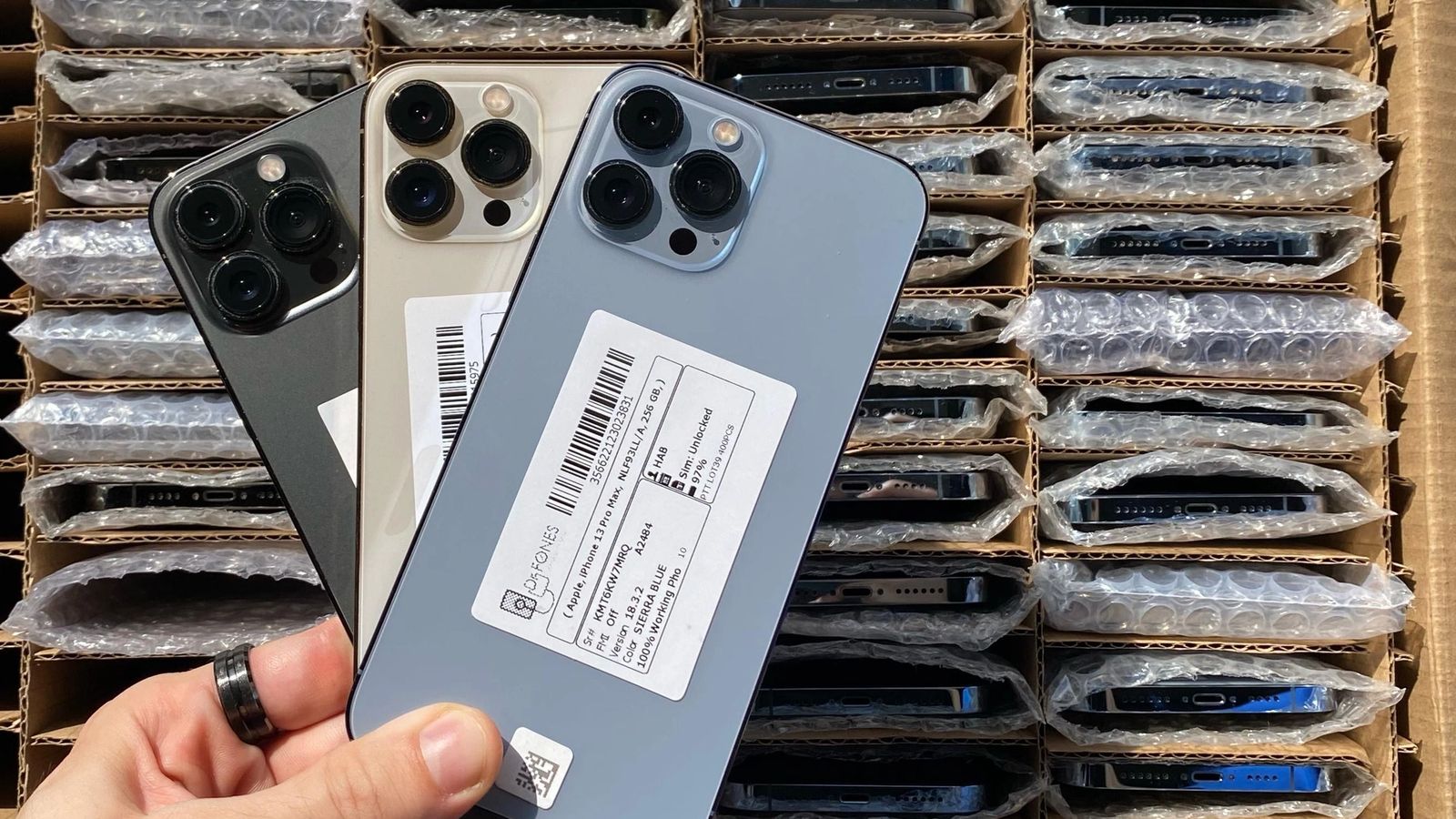
If you're looking to buy used phones in bulk, specialist wholesalers are one of the most obvious options.
These businesses purchase large quantities of phones, often through trade-ins, business clearances or other supply arrangements, before selling them to resellers.
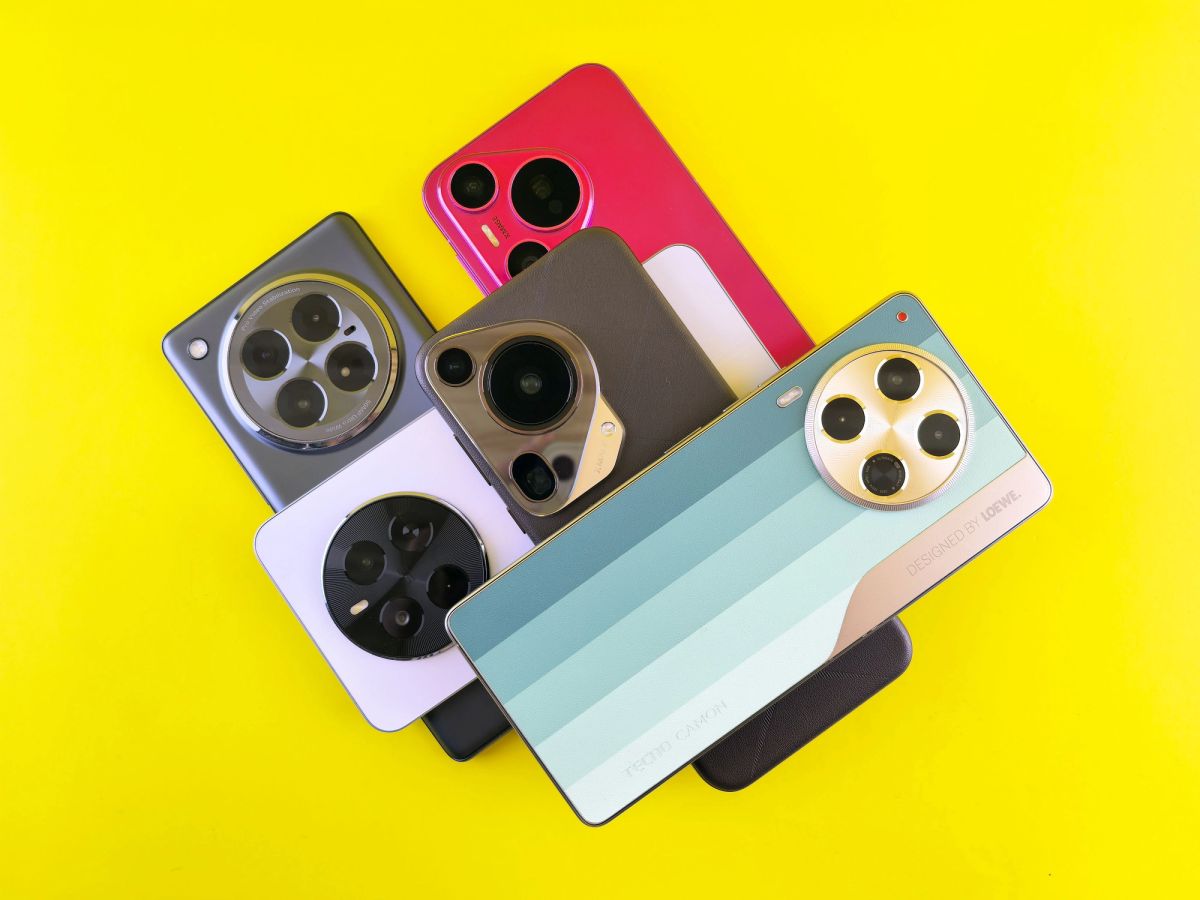
Some specialise in iPhones, while others offer Samsung, Google Pixel and a wider range of Android devices.
You can find UK wholesale mobile phone suppliers through directories such as eSources.
How used phone wholesale works
Most wholesalers provide stock lists showing the models currently available, their condition grades, prices and quantities.
Some operate through trade accounts, while others offer direct enquiries for specific models or quantities.
Before placing a wholesale order, I'd recommend asking for:
- A complete list of models and storage capacities.
- The condition grading system.
- Confirmation that devices are functional and unlocked.
- Battery health requirements.
- Details of any replacement parts.
- IMEI and device-history checks.
- Minimum order quantities.
- Returns, warranty and faulty-on-arrival terms.
Understand the difference between grades
Used phones are commonly sold under grades such as A, B and C.
Generally, higher grades indicate better cosmetic condition, but there isn't one universal grading standard used by every wholesaler.
One supplier's Grade A device might not meet another supplier's requirements.
And cosmetic grading doesn't necessarily tell you everything about functionality.
A phone can look almost new while having poor battery health, a faulty charging port or a replacement screen.
Before buying a substantial quantity, request the supplier's grading definitions in writing.
I'd also recommend purchasing a small test batch before committing significant money to a new supplier.
The disadvantage of wholesale stock
Wholesalers need to make a margin too.
By the time a batch of phones reaches you, it may already have passed through several businesses.
This can leave relatively narrow resale margins, particularly for popular models where prices are easy to compare.
Wholesalers can still be useful for quickly replenishing inventory, but I'd compare their prices with what you could pay through other sourcing channels.
3. Buying Phones Through Auctions, Liquidations and Job Lots
Best for: Experienced resellers who can assess mixed-condition stock and absorb occasional losses.
Another way to source used phones is through auctions and business liquidations.
Stock might come from customer returns, excess inventory, company equipment upgrades or businesses closing down.
You may find collections containing dozens or hundreds of phones.
The attraction is obvious: the average price per device can sometimes look significantly cheaper than purchasing individually.
But I'd be careful.
Why cheap job lots aren't always bargains
I've bought plenty of job lots over the years, mainly cameras.
Some were profitable. Others were complete disasters.
One particular experience involved importing hundreds of supposedly untested digital cameras from overseas for approximately £1,000.
Almost all were unusable.
The lesson was simple: untested isn't the same as working.
I'd apply exactly the same caution to used-phone lots.
A batch of 50 phones might sound attractive, but you need to know how many are actually resellable.
Some might have broken screens, poor batteries, missing components, account locks or network restrictions.
When evaluating a job lot, don't multiply the quantity by the normal retail price and assume you've found a bargain.
Instead, work out the likely value of the usable devices, deduct refurbishment costs and assign a conservative value to faulty stock.
Remember to include any auction fees, VAT, shipping and collection expenses.
4. Sourcing Used Phones From Overseas Suppliers
Best for: Experienced importers with established supplier relationships.
There are also international suppliers offering wholesale used phones, particularly across Europe and Asia.
You can find suppliers advertising bulk quantities of refurbished and second-hand devices through international wholesale marketplaces.
However, I'd be cautious about buying large quantities without thoroughly checking the supplier.
I've imported used camera equipment from Japan, China and other markets, and the headline purchase price doesn't always reflect the real cost of acquiring usable stock.
Additional expenses can include international shipping, insurance, import VAT, customs clearance, currency conversion and any applicable duty.
There can also be regional differences between devices, including network compatibility, model variants and warranty arrangements.
My advice for international sourcing
Start with a small order from a supplier you can verify.
Ask for individual model details, grading standards, battery health information and the procedure for returning faulty equipment.
Also establish exactly who is responsible for the goods if they arrive damaged or don't match the description.
I'd be particularly cautious with extremely cheap stock advertised as untested or sold without a meaningful returns process.
I've learned from buying camera equipment that recovering money from an overseas seller can be much harder than resolving a problem with a UK supplier.
International wholesale can be worthwhile, but I wouldn't recommend making your first phone-reselling purchase a large overseas shipment.
5. Buying Used Phones Directly From Customers Through Trade-Ins
Best for: Retailers and refurbishers looking to build a repeatable stock acquisition process.
Of all the methods I've tried when running a second-hand electronics business, customer trade-ins eventually became my preferred way of sourcing equipment.
Instead of continually searching for products myself, I wanted customers to come directly to the business with equipment they were looking to sell.
I originally developed this process for cameras, but the same model applies to phones, laptops and other electronics.
Why trade-ins can work so well
The biggest advantage is that you aren't constantly competing to purchase publicly advertised listings.
Instead, customers submit their equipment for a valuation, and you decide what you're prepared to pay.
If they accept, you arrange for the item to be sent in, inspect it and complete the purchase at the agreed price.
You can assess its condition before paying, provided your process and customer terms clearly explain how inspections and revised offers work.
This offers more control than buying an item through a marketplace and discovering an unexpected fault afterwards.
It doesn't eliminate risk, though. You still need to account for shipping, inspections, customers declining revised offers and occasional disputes.
The quality of trade-in stock
When running my camera business, I often found that equipment received directly from customers was better cared for than some of the stock I purchased through job lots.
Sometimes people had simply upgraded and left their previous equipment sitting unused.
Trade-ins could also arrive with original accessories and a clearer history.
That doesn't guarantee every customer trade-in will be in good condition, particularly with phones.
But it was one of the reasons I became interested in building a more systematic trade-in operation.
Building your own trade-in service
You don't necessarily need expensive software to get started.
My first camera trade-in process was incredibly simple.
Customers emailed me their equipment details, and I'd reply with a copied email template containing a manually entered offer.
If they accepted, I'd arrange for the equipment to be sent in and pay once I'd received and inspected it.
Eventually, I paid approximately £3,000–£4,000 for a developer to build a dedicated trade-in form.
As the business grew, I needed more automation, but that came with additional development costs.
If I were starting a small phone resale business today, I'd validate the demand with a basic enquiry form before investing heavily in software.
6. The Hidden Cost of Running Your Own Phone Trade-In Service
One thing I learned from operating trade-ins is that cost per lead and cost per completed purchase are completely different numbers.
You might run Google Ads and acquire a quote enquiry for £2.
That sounds inexpensive.
But what happens if only one in ten people actually accepts your offer?
You've spent £20 in advertising to acquire one completed purchase, before accounting for other expenses.
For example:
- 100 quote enquiries at £2 each = £200 advertising spend.
- 10 customers complete a sale.
- Your advertising cost per completed purchase is £20.
Now add customer support, postage, inspection time, software and the cost of dealing with unsuccessful enquiries.
Suddenly, acquiring a £100 phone might be substantially more expensive than you originally expected.
This is one of the reasons I'd focus on completed purchases rather than simply generating as many leads as possible.
Automating your buying prices
Once you know which phones you want to purchase, setting standard buying prices can save considerable time.
Instead of manually valuing every customer enquiry, you can maintain a list of models and the amounts you're willing to offer.
For example, your system could distinguish between an iPhone 14 with 128GB of storage and one with 256GB.
It could also account for different conditions.
As prices change, you update your buying list rather than responding to every enquiry individually.
The important thing is keeping those prices current. A strong offer today may be too expensive to sustain several weeks later.
Using a trade-in network instead
Another approach is joining an existing network that brings customer enquiries to participating dealers.
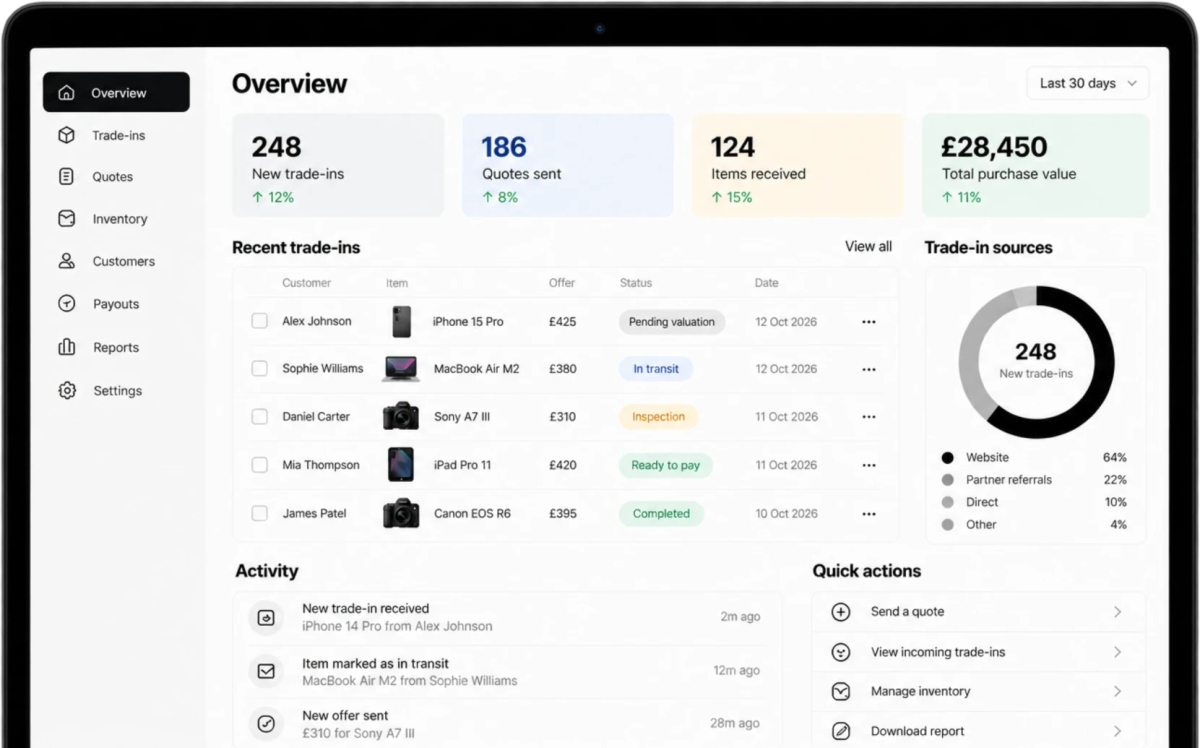
This is the model we're developing through SDS Compare.
Rather than building your own customer acquisition and quotation system, approved dealers can review relevant trade-in requests and submit offers. Automatic buying prices are available for supported products.
At the time of writing, SDS Compare charges dealers 10% plus VAT on completed trade-ins, capped at £50 plus VAT per item.
The main selling point is there is no fee on a trade-in that doesn't complete, although dealers remain responsible for their own shipping, inspection and other operating costs.
SDS Compare is still growing, so neither enquiry volume nor accepted offers are guaranteed.
It's one option worth considering alongside building your own trade-in service and purchasing wholesale stock.
7. What to Check Before Buying a Used Phone for Resale
Phone reselling has a few risks that are particularly important to understand.
Unlike most cameras, smartphones can be linked to personal accounts, mobile networks, finance arrangements and security restrictions.
A phone that looks perfectly functional might still be unsuitable for resale.
Check the IMEI and device history
Before buying a phone, obtain its IMEI number and check whether it has been reported lost, stolen or blocked.
Services such as CheckMEND and GSMA Device Check can help identify reported restrictions.
You should also confirm that the IMEI matches the physical device and your purchase records.
A clean check is useful evidence at that moment, but it isn't an absolute guarantee against a future report or block.
Check iCloud and Activation Lock
Apple's Activation Lock is designed to prevent an iPhone from being used by someone other than its authorised owner.
If a used iPhone is still linked to the previous owner's Apple Account, you may be unable to activate it.
Apple specifically advises against purchasing used iPhones that are Activation Locked.
Read Apple's guide to buying a pre-owned iPhone.
I've experienced account-lock problems from the customer side myself. Before starting SDS, I sold equipment through CeX and had to make several trips back to a branch because of a device-lock issue.
It was frustrating as a customer, and it's exactly the kind of problem a reseller should try to identify before completing a purchase.
Check Android account locks
Android phones can also have security restrictions, including Factory Reset Protection.
A device that has been reset incorrectly may still require credentials from an account previously used on it.
If you're buying a used Android phone, make sure the previous owner has removed the relevant accounts and that the device can be set up legitimately.
Don't rely on a factory-reset screen alone as proof that a device is ready to resell.
Test the hardware
Before finalising a purchase, I'd recommend checking:
- Battery health and charging.
- Display, touchscreen and dead pixels.
- Cameras and microphones.
- Speakers and earpiece.
- Wi-Fi, Bluetooth and mobile connectivity.
- Buttons and charging ports.
- Face ID, Touch ID or other biometric features, where applicable.
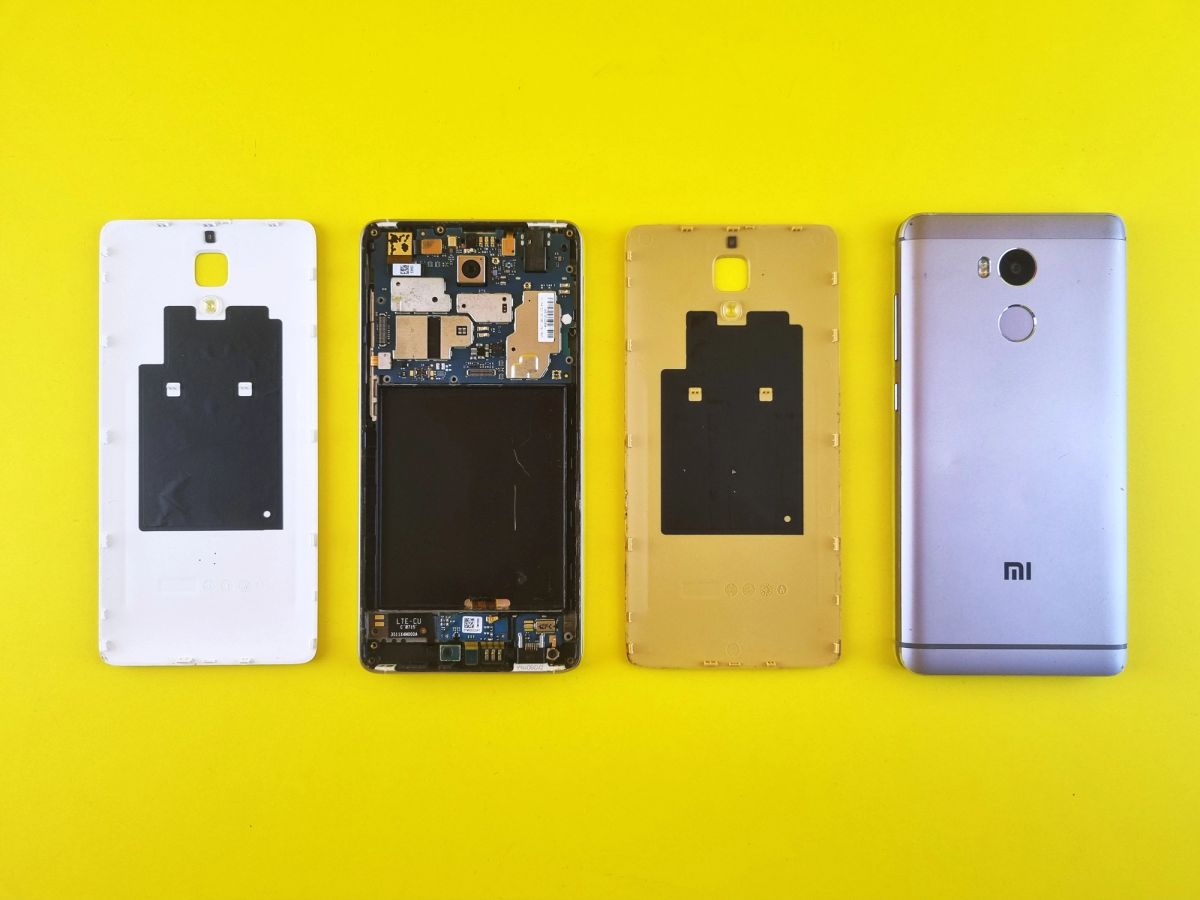
- Signs of liquid damage or previous repairs.
On supported iPhones, you can also inspect the Parts and Service History section to identify certain component replacements.
Use diagnostic software if you're buying in volume
If you're processing dozens of phones, manually completing every test can become time-consuming.
Professional diagnostic platforms include:
- Phonecheck, which provides automated device diagnostics and inspection records.
- NSYS Diagnostics, which offers testing tools for used smartphones and other devices.
I haven't personally tested these systems as part of a high-volume phone-reselling operation, so I'd recommend comparing their features, device coverage and costs before committing.
Even with software, I'd maintain a clear process for resolving any device that fails a test or has an unresolved lock.
8. How Much Should You Pay for Used Phones?
This is arguably the most important question.
It doesn't matter whether you're sourcing from a wholesaler, eBay or a trade-in service if you're paying too much for the stock.
When buying cameras, I generally worked backwards from what I expected the equipment to sell for.
I'd consider the likely selling price, how quickly the item would sell, how often that particular model developed faults and how much money I'd have tied up in it.
My historical buying strategy
For some modern, fast-selling cameras, I was prepared to offer around 70–90% of the expected resale price.
For slower-moving equipment, I'd usually offer less.
And for vintage or failure-prone equipment, I could be considerably more conservative, sometimes buying at around 50–55% of the expected resale price.
These were my own historical camera-buying rules of thumb, not standard margins for the used-phone industry.
I'd expect phone pricing to require a different approach because of competition, grading, repair costs and the particular model involved.
Work backwards from your real costs
Imagine you expect to sell a used phone for £300.
You purchase it for £190.
That leaves a £110 difference between your purchase and resale prices.
But you still need to consider:
- Selling or payment-processing fees.
- Shipping and packaging.
- Testing, cleaning and repair costs.
- Warranty claims and returns.
- The cost of acquiring the phone.
- VAT, where applicable.
- Your own time and business overheads.
Under the UK VAT Margin Scheme, an eligible purchase and sale may be taxed on the margin rather than the full resale price.
For example, where the standard 20% VAT rate applies, VAT on an eligible £110 margin would be approximately £18.33.
That is separate from repair, selling and operating costs, which don't reduce the purchase-to-sale margin used for that VAT calculation.
You can read the rules in HMRC's VAT Margin Scheme guidance.
Make sure you understand the purchase conditions and record-keeping requirements before relying on the scheme. Not every wholesale purchase will qualify.
Stock turnover matters too
One of the biggest lessons I learned from reselling cameras is that a high margin means very little if the item takes months to sell.
I'd often rather buy something with a smaller profit margin that I knew would sell quickly than hold an expensive product for weeks waiting for the perfect buyer.
That becomes especially important when you're buying phones in volume.
You want your money moving back into new stock rather than sitting on shelves.
9. Which Used-Phone Sourcing Method Is Best?
There isn't one perfect way to source used phones.
For beginners, I'd start with individual purchases through marketplaces. Learn a few models, understand their prices and build a reliable testing process before committing much capital.
For repair businesses, faulty devices and mixed-condition job lots may offer opportunities, provided you can accurately estimate repair costs and avoid restricted or stolen devices.
For established retailers, wholesale suppliers can be useful for quickly replenishing inventory and buying consistent quantities.
For businesses looking to scale, I'd put more emphasis on direct customer trade-ins and relationships with repeat suppliers.
Personally, I wouldn't rely entirely on one sourcing method.
I learned that with cameras.
A business built around occasionally finding an underpriced listing can work, but it's difficult to forecast how much stock you'll be able to purchase next month.
A combination of marketplace purchases, reliable suppliers and customer trade-ins gives you more ways to keep inventory moving.
Five Things I'd Do Before Starting a Used-Phone Resale Business
If I were starting from scratch, I'd focus on five things.
1. Choose a small number of models. Learn their typical resale prices, common faults and battery-health expectations.
2. Establish a strict testing process. Don't purchase account-locked or suspicious devices and assume you'll be able to resolve the problem later.
3. Understand your real margins. Work backwards from achievable selling prices after fees, VAT, postage, faults and returns.
4. Track every device individually. Record the model, IMEI, acquisition source, buying price, condition, testing results and final selling price.
5. Build repeatable sources of stock. Don't depend entirely on finding bargains before everyone else does.
If you're interested in how I approached sourcing in my original business, I've also written a more detailed guide to sourcing used cameras for resale.
Many of the same buying principles apply across different types of second-hand electronics.
Final Thoughts: Where Would I Source Used Phones?
If I were entering the used-phone resale market today, I'd begin by learning a handful of devices and buying stock individually.
I'd use online marketplaces to build experience, test a few wholesale suppliers once I understood the numbers and make sure I had a reliable way of checking every phone before resale.
But if the business started growing, I'd want stock to come to me.
If you're already running a mobile phone shop, refurbishing business or used-electronics retailer, you can explore becoming an SDS Compare dealer to receive additional customer trade-in opportunities.
However you choose to source your stock, I'd recommend starting small, understanding the risks and building a purchasing process you can repeat.
That's what creates a sustainable resale business.
More articles
See all articles
Selling Guides
What to Do With Old Electronics: Sell, Reuse or Recycle?
Got old electronics collecting dust? Find out how to sell, repair, reuse or recycle unwanted cameras, phones, laptops and other devices.
Business Resources
How to Find Your Product Feed Link (Shopify, WooCommerce, Google and More)
Where to find your product feed link on Shopify, WooCommerce, Google Merchant Center and other platforms, so you can list your used stock on SDS Compare.
Business Resources
Where to Source Used Camera Gear for Resale: A UK Dealer's Guide
Learn how to source used cameras for resale in the UK, from eBay and auctions to repairs, wholesale suppliers and customer trade-ins.