
Selling Guides
What to Do With Old Electronics: Sell, Reuse or Recycle?
Got old electronics collecting dust? Find out how to sell, repair, reuse or recycle unwanted cameras, phones, laptops and other devices.
By Andrew Anderton11 min read
SDS Compare may earn a commission when you buy through links to eBay or other sellers, at no extra cost to you. As an Amazon Associate I earn from qualifying purchases.
What to Do With Old Electronics: Sell, Reuse or Recycle?
Wondering what to do with old electronics gathering dust around your home? Whether you've found an old camera in the loft, a phone you haven't touched in years or a laptop that's been sitting in a drawer, you might be surprised by what it's worth.
Before deciding how to dispose of old electronics, it's worth checking whether you could sell, repair, reuse or donate them instead.
I've spent years buying and selling second-hand equipment, and one thing I've learned is that old doesn't necessarily mean worthless. Sometimes the products people assume have no value are exactly what somebody else is looking for.
Here's how to work out what your unwanted electronics are worth and decide what to do with them.
If you're unsure what your device is worth, you can request offers through SDS Compare and see whether participating businesses are interested.
Are Your Old Electronics Worth Anything?
The first thing I'd recommend is finding out whether there's still a market for your equipment.
Technology doesn't always lose value in a straight line. Most electronics depreciate as newer models arrive, but certain devices eventually become desirable again.
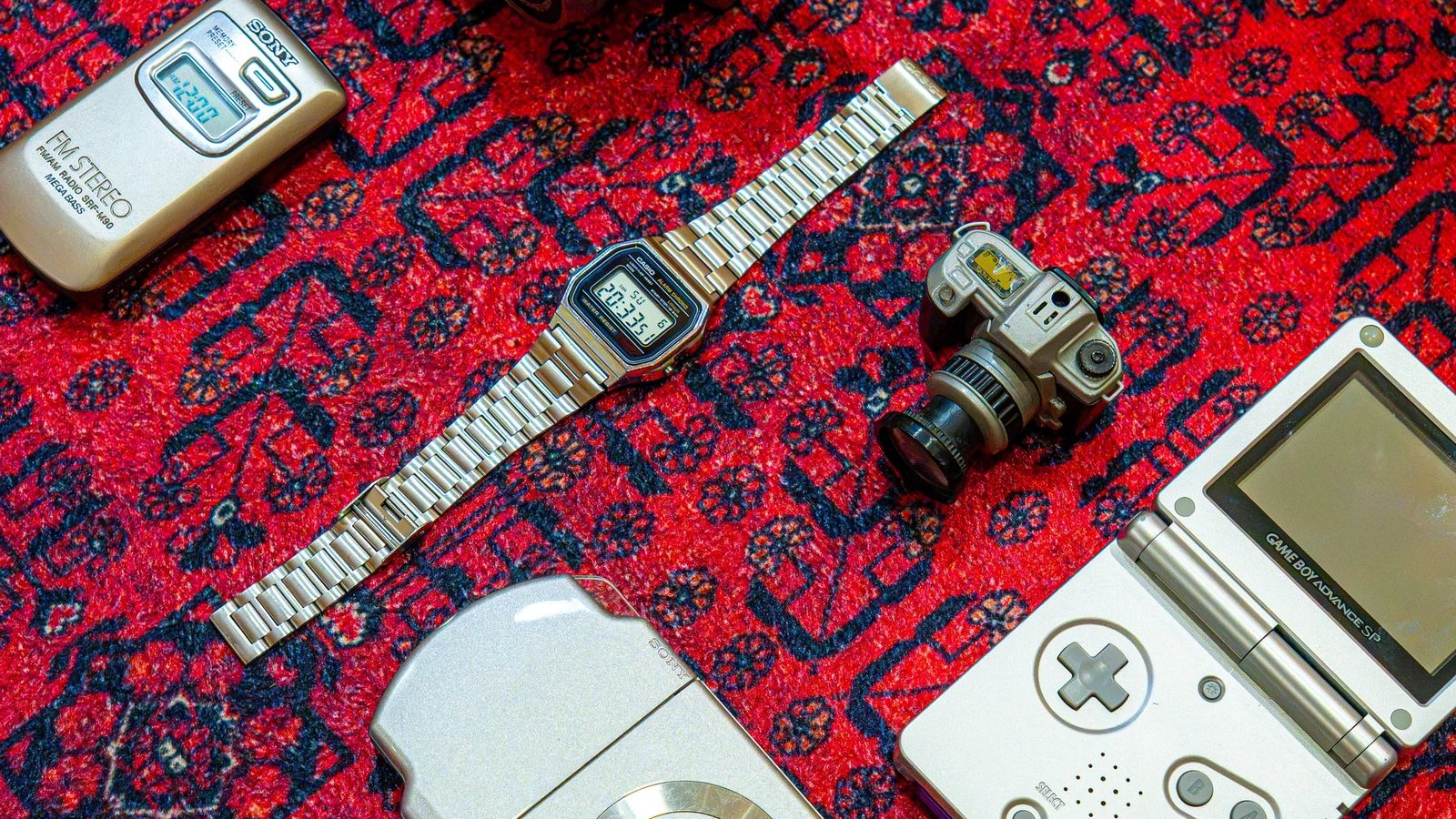
This is especially noticeable with older digital cameras.
Why some old cameras are becoming valuable again
When I started buying and selling cameras in 2021, I regularly encountered customers who were surprised by what their old equipment was worth.
People would contact us with cameras they'd had sitting in storage for years, often alongside old film cameras, camcorders and accessories.
For example, some older Canon IXUS compact cameras that people assumed were practically worthless could attract offers of around £55.
Certain compact digital cameras from the early 2000s have become particularly popular again. Models that were once worth very little can now sell for over £100, although it depends heavily on the exact model and condition.
A lot of this interest comes from people rediscovering the distinctive look and experience of older digital photography.
And while cameras are an obvious example, there are collectors and enthusiasts interested in older phones, computers, gaming consoles and other electronics too.
Not every old device is valuable, of course. But it's always worth checking before throwing something away.
How to find out what your electronics are worth
Start by identifying the exact model.
You can usually find a model number on the back or underside of the device, inside the battery compartment or in its settings.
Once you've identified it:
- Check sold prices on eBay. Search for the exact model on eBay and filter by sold items. These prices are much more useful than listings that haven't sold.
- Compare the condition. A working device with its original accessories can be worth considerably more than an untested example.
- Check specialist retailers. Some equipment is worth more to specialist buyers than general electronics shops.
- Look for any unusual accessories. Original chargers, proprietary cables, lenses and other accessories can sometimes have value on their own.
One thing people often misunderstand is the difference between retail value and trade-in value.
If a business is selling your camera for £200, that doesn't mean they'll offer you £200 to buy it.
The retailer needs to cover testing, cleaning, potential repairs, returns, warranties and operating costs.
So use retail prices to understand the market, but don't assume they're what you'll receive.
Sell Your Old Electronics
If your equipment still has value but you're no longer using it, selling it is often the most sensible option.
You get some money back, and somebody else gets to use something that would otherwise be sitting in storage.
There are a few ways of going about it.
Selling privately
The obvious option is to sell through eBay, Facebook Marketplace or another online marketplace.
Private selling can get you a higher price because you're selling directly to the person who wants the product, rather than a business that needs to make a margin.
However, you'll need to photograph everything, create listings, answer questions and arrange shipping or collection.
For older electronics, this can become a real headache.
I've sold thousands of cameras over the years, and vintage equipment in particular can be difficult.
A camera might switch on and appear perfectly functional, but have an intermittent fault you weren't aware of. Sometimes these problems only appear after the buyer has started using it properly.
Returns, disputes and packaging can quickly turn a straightforward sale into hours of work.
I've personally had plenty of frustrating experiences selling older equipment, particularly when clearing out collections of cameras that hadn't been used for years.
That doesn't mean private selling is a bad idea. If you've got a working modern laptop or phone and don't mind putting in the time, it can be a great option.
But for older or untested equipment, I'd seriously consider whether the additional money is worth the potential hassle.
Selling to a second-hand retailer
Another option is selling directly to a business.
There are specialist retailers buying everything from used cameras and lenses to phones, laptops and other electronics.
The process is usually straightforward: you request a valuation, send the equipment for inspection and receive payment once the final purchase price is agreed.
You typically receive less than you might through a private sale, but you avoid listing the item and dealing with individual buyers.
One thing worth remembering is that different retailers specialise in different products.
A general electronics retailer might not be particularly interested in a vintage device, while a specialist business could be actively looking for that model.
That's why it's worth checking more than one offer.
You can contact businesses individually or use a comparison service such as SDS Compare, where participating dealers can make offers on equipment customers want to sell.
There's no obligation to accept an offer, although the number of offers you receive depends on the product and dealer interest.
What to Do With Old Cameras
Old cameras are one of the more interesting categories because their resale value can be difficult to judge.
A relatively modern camera might have lost most of its original value, while an older compact camera, film camera or camcorder could be worth considerably more than expected.
Before selling an old camera, I'd recommend checking a few things.
Find the exact model. Similar-looking cameras can have surprisingly different values.
Inspect the battery compartment. Old batteries can leak and cause corrosion, particularly when equipment has been left in storage.
Check the lens. Look for scratches, fungus, haze or other visible damage.
Find the original accessories. Older cameras sometimes use proprietary batteries and chargers that are difficult to replace.
Test what you can. But don't assume something works perfectly just because it switches on.
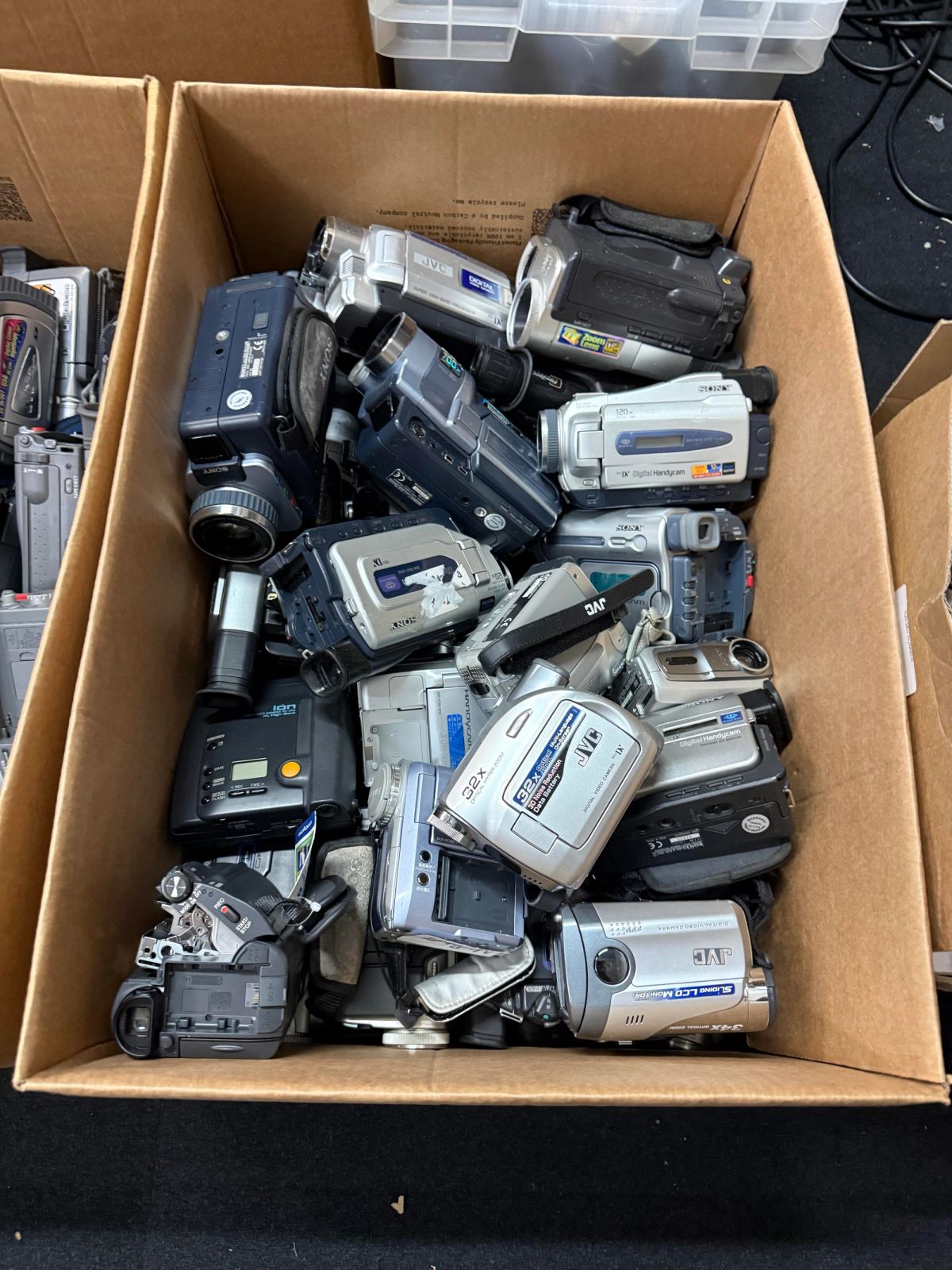
I've handled plenty of camcorders that powered on normally but had faulty tape mechanisms. Digital cameras can also have problems with their autofocus, flash, screens or sensors.
If you don't have a working battery or charger, it's perfectly reasonable to describe the camera as untested.
Just be upfront about what you have and haven't checked.
Specialist dealers may still be interested, and even broken cameras can have value for repairs or spare parts.
If you're considering selling, you can also read our guide to selling used camera gear in the UK, which compares private sales and trade-ins in more detail.
What to Do With Old Phones
Most of us have an old mobile phone somewhere.
Even when it's several generations behind the latest model, it might still be useful as a backup, a device for a family member or something to sell.
Recently, I sold an old iPhone XR that I'd completely forgotten about and received £47.
It wasn't a fortune, but it was £47 for something I wasn't using.
If you want to sell an old phone, the value usually depends on the model, storage capacity, battery health, condition and whether it's fully functional.
A damaged screen or an account lock can make a significant difference.
Before selling or giving away a phone, make sure you back up your data, sign out of your accounts, remove any activation locks and properly erase the device.
Apple has a useful guide to preparing an iPhone for sale or trade-in.
If you're keeping an old phone instead, it's worth checking whether it still receives security updates, particularly if you plan to use it for banking or other sensitive activities.
What to Do With Old Laptops and Computers
Old laptops and desktop computers can still be useful long after their original owners upgrade.
Not everybody needs the latest processor or graphics card.
Some people simply want an affordable computer for everyday tasks, while others specifically look for older hardware to run certain software or recover files from legacy equipment.
If you've got an old laptop or computer, I'd consider three things before getting rid of it.
Does it still work?
If it runs reliably and receives appropriate security updates, you might be able to keep using it, donate it or sell it.
Would a simple repair make it useful again?
Some older computers can benefit from an SSD upgrade or replacement battery, although that depends on the model.
Is it worth more as parts?
Even if the computer itself isn't working, components such as memory, storage and replacement parts may still be useful to repairers.
One thing I'd be particularly careful about is personal data.
Deleting individual files isn't necessarily enough to prevent somebody from recovering information stored on a computer.
Before selling or donating it, back up your files and follow the manufacturer's instructions for securely erasing the device.
The UK's Information Commissioner's Office has a useful guide to deleting data from old devices.
If the device is broken and you can't erase the storage, consider removing the drive or getting professional help before handing it over.
What If Your Electronics Are Broken?
A broken device isn't necessarily worthless.
There are plenty of repairers who actively look for faulty electronics because they have the skills and equipment to get them working again.
I originally started my camera business doing exactly that.
I'd purchase broken cameras, repair them and either keep them or sell them on.
One example was a Sony AX100 camcorder that I bought for approximately £150 with a damaged screen.
I sourced a replacement part for less than £100, repaired the camera and eventually sold it for around £550.
Obviously, that isn't a typical or guaranteed return. It required repair knowledge and time, and there were other costs involved.
But it demonstrates why equipment that appears worthless to one person can still be valuable to somebody else.
Selling broken electronics in bulk
If you've got several faulty or untested devices, another option is to sell them together as a job lot.
This is something I've done myself.
In November 2026, while clearing out old camera stock, I sold approximately 200 broken or untested cameras, batteries, chargers and accessories to one buyer through Facebook Marketplace for around £510.
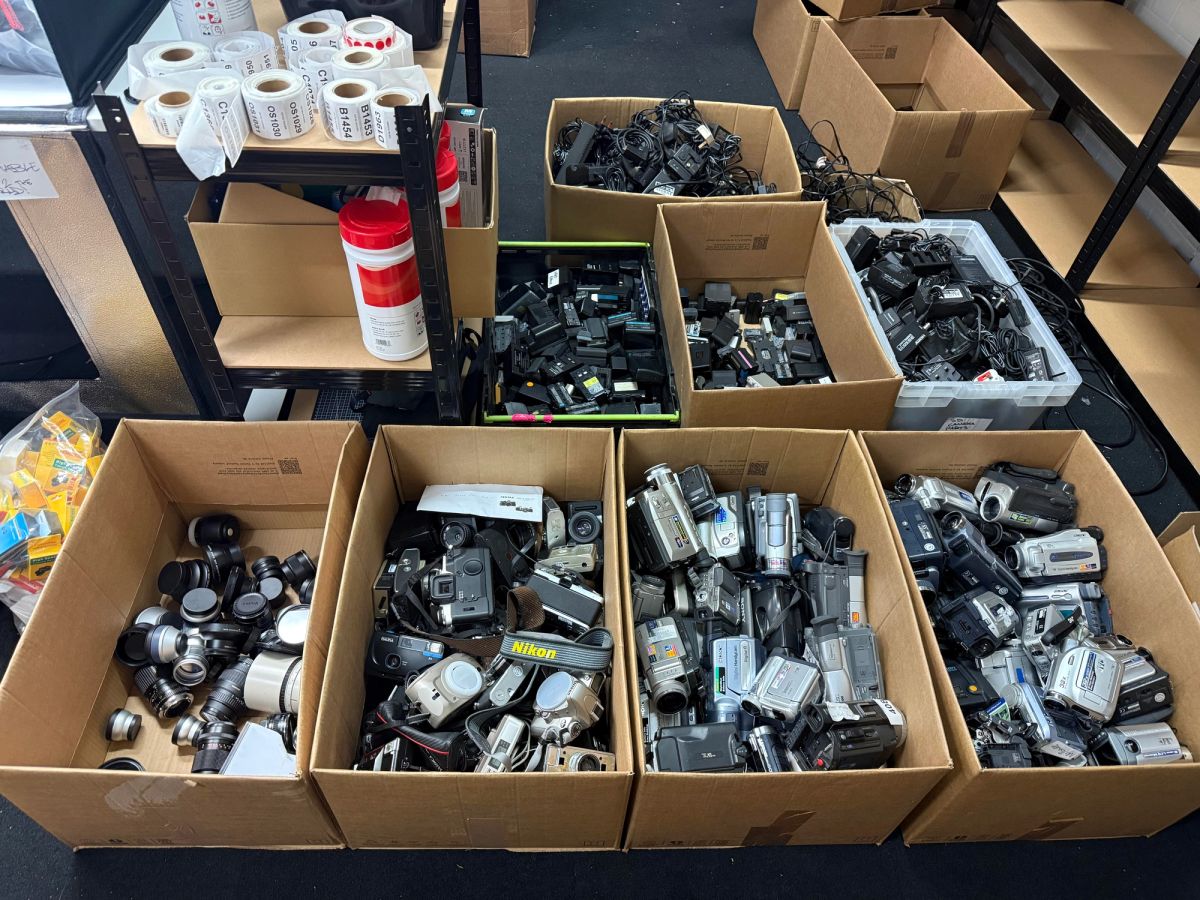
Listing, testing, photographing and posting everything individually would have taken an enormous amount of time.
Instead, I sold the collection locally and the buyer collected everything together.
If you're considering selling faulty electronics in bulk, here are a few things I'd recommend:
- Group similar products together.
- Take clear photographs of everything included.
- List any known faults and describe untested equipment honestly.
- Be realistic about the price.
- Consider collection rather than postage for heavy items.
You can also try selling job lots through eBay auctions, although you'll want to calculate postage carefully.
For low-value equipment, shipping can quickly eat into whatever money you make.
Repair, Reuse or Donate Your Electronics
Selling isn't always the best thing to do.
Sometimes an old device is still perfectly useful, even if it isn't worth much money.
An older digital camera could be a great first camera for somebody learning photography.
A laptop could become a secondary computer, while an old phone might be useful as a backup.
If something is broken, check whether it's economical to repair before replacing it.
You could also donate working electronics to a charity, community organisation or someone who needs them.
Just make sure the equipment is actually suitable.
A very old laptop that no longer supports current security updates might not be particularly useful to someone who needs a reliable everyday computer.
And always remember to remove your personal data before passing a device on.
How to Dispose of Old Electronics Responsibly
Sometimes a device really is beyond economical repair or reuse.
In those cases, recycling is usually the most sensible option.
Electronic waste is a significant environmental problem.
According to the Global E-waste Monitor 2024, approximately 62 million tonnes of electronic waste were generated worldwide in 2022.
Only 22.3% was documented as formally collected and recycled in an environmentally sound manner.
Electronics contain valuable materials such as copper, gold and other metals, alongside substances that need to be handled carefully.
Recycling helps recover useful materials and reduces the environmental risks associated with improper disposal.
Where to recycle old electronics in the UK
Recycle Your Electricals
Recycle Your Electricals has a useful locator for finding places to repair, donate or recycle old electrical equipment around the UK.
Local recycling centres
Most councils provide facilities for recycling electrical equipment.
You can find your local council's recycling services through GOV.UK.
Retailer recycling schemes
Some electronics retailers offer recycling or take-back services, including for products purchased elsewhere.
Check with the retailer before visiting.
Don't forget about batteries
Batteries should never be placed in ordinary household rubbish.
Lithium-ion batteries, commonly found in cameras, laptops and phones, can cause fires if damaged or disposed of incorrectly.
If it's safe to do so and the manufacturer permits it, remove the battery before recycling the device.
Otherwise, take the complete item to an appropriate electrical recycling point.
You can find more information about battery recycling through Recycle Your Electricals.
So, Should You Sell, Reuse or Recycle?
There's no single answer for every device.
If your electronics are working and valuable, selling them may be the obvious choice.
If they're still useful but worth very little, keeping or donating them might make more sense.
If they're broken, consider whether they're worth repairing or selling for parts.
And if they're beyond repair or reuse, make sure they're recycled responsibly.
My advice is simple: before throwing away old electronics, find out whether somebody else could still use them.
I've spent years seeing equipment that people assumed was worthless find its way back into use.
Sometimes it's a vintage camera that has become desirable again. Sometimes it's an old phone worth £47. And sometimes it's a box of broken electronics that somebody else knows how to repair.
There's something satisfying about seeing products that have spent years sitting unused find a new owner.
And if you can make a little money from them, even better.
If you'd prefer to sell your equipment to a business rather than deal with individual buyers, you can compare available trade-in offers through SDS Compare.
Otherwise, repair, reuse, donate or recycle it.
Whatever you choose, it's worth checking your options before throwing anything away.
More articles
See all articles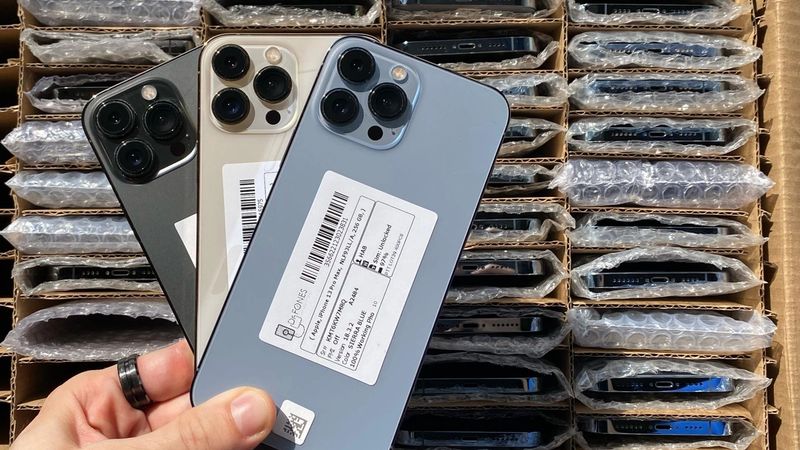
Business Resources
Where to Buy Used Phones Wholesale in the UK: A Reseller's Guide
Looking for used phones to resell? Explore wholesale suppliers, marketplaces, auctions and trade-ins, with practical advice on costs, testing and margins.
Business Resources
How to Find Your Product Feed Link (Shopify, WooCommerce, Google and More)
Where to find your product feed link on Shopify, WooCommerce, Google Merchant Center and other platforms, so you can list your used stock on SDS Compare.
Business Resources
Where to Source Used Camera Gear for Resale: A UK Dealer's Guide
Learn how to source used cameras for resale in the UK, from eBay and auctions to repairs, wholesale suppliers and customer trade-ins.